

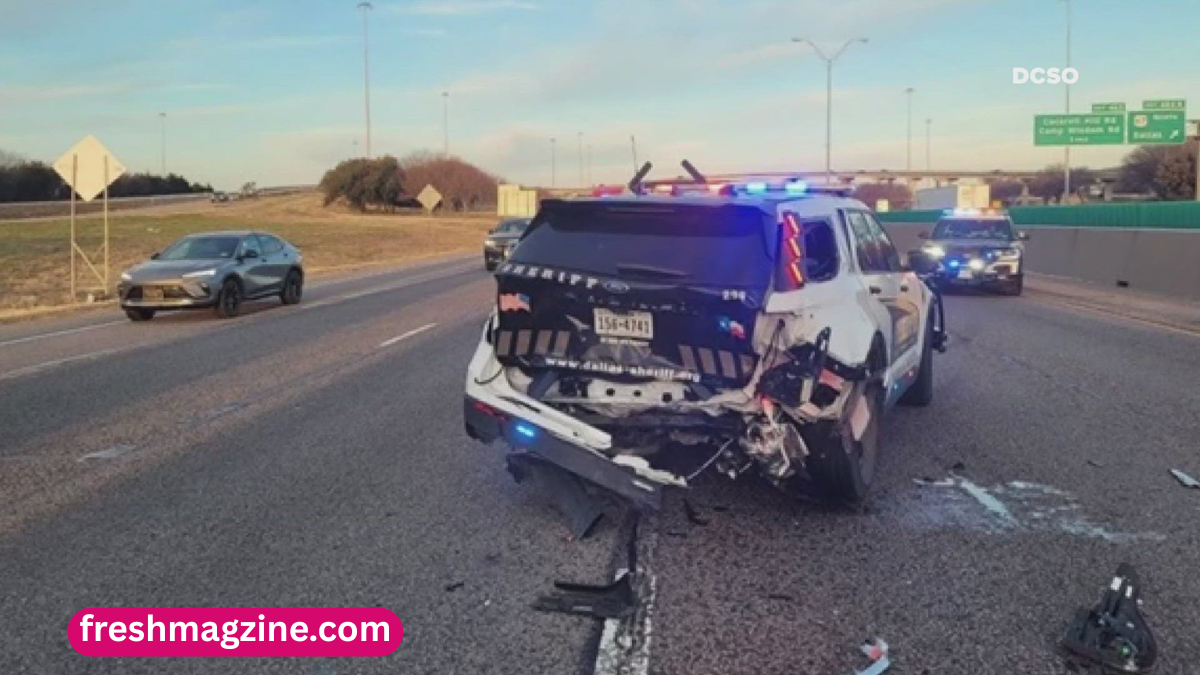
A Dallas accident is more than a breaking news headline—it is a moment that can disrupt lives, alter routines, and raise urgent questions about safety in one of Texas’s busiest metropolitan areas. With its dense population, sprawling highways, and constant flow of commuters, Dallas experiences traffic incidents daily, ranging from minor fender benders to serious multi-vehicle crashes. When an accident occurs, the ripple effects extend far beyond the crash site, impacting traffic flow, emergency services, and community confidence in road safety.
Understanding the broader context of a Dallas accident helps residents, drivers, and policymakers make sense of why these incidents happen and what can be done to prevent them. This article takes an in-depth look at the anatomy of a Dallas accident—how it unfolds, what causes it, and why timely information is essential. By examining response efforts, investigations, and long-term implications, readers gain a clearer picture of how one accident can influence an entire city’s rhythm.
Overview of the Dallas Accident
A typical Dallas accident often begins suddenly, without warning, during peak travel hours when roads are most congested. Whether it occurs on a major interstate, a busy downtown intersection, or a neighborhood street, the initial moments are critical. Emergency calls are placed within seconds, and first responders are dispatched to assess injuries, secure the area, and prevent further collisions. These early actions shape the outcome for everyone involved.
The nature of the accident can vary widely. Some involve two passenger vehicles, while others may include commercial trucks, motorcycles, or pedestrians. Weather conditions, traffic volume, and visibility often play a role in how severe the incident becomes. In many cases, authorities provide only preliminary information at first, emphasizing the need for caution as investigations continue. This initial uncertainty is why accurate reporting and official updates are so important following a Dallas accident.
Location and Traffic Impact
The location of a Dallas accident significantly influences its immediate and long-term impact. Accidents on major highways can cause miles of traffic congestion, while those in residential or business districts may disrupt local commerce and daily routines. Road closures, lane restrictions, and detours are often implemented quickly to allow emergency crews to work safely, but these measures can frustrate commuters and extend travel times across the city.
Traffic impact does not end when the vehicles are cleared. Residual delays can persist for hours as traffic patterns normalize. Public transportation routes may be rerouted, and ride-share services often experience surges in demand. For residents, staying informed through traffic alerts and official updates becomes essential. Understanding how a Dallas accident affects mobility highlights the importance of planning alternate routes and allowing extra travel time during major incidents.
Causes and Contributing Factors
The causes behind a Dallas accident are rarely simple. In many cases, multiple factors converge to create a dangerous situation. Speeding, distracted driving, and failure to obey traffic signals remain among the most common contributors. With smartphones and in-car technology becoming ubiquitous, momentary lapses in attention can have serious consequences on crowded roads.
Environmental and infrastructural factors also play a role. Poor weather, road construction, and complex intersections can increase accident risk. Investigators carefully analyze these elements alongside vehicle conditions and driver behavior. Understanding the causes of a Dallas accident is not about assigning blame alone—it is about identifying patterns that can inform better road design, stronger enforcement, and more effective public safety campaigns.
Injuries, Fatalities, and Medical Response
One of the most serious aspects of any Dallas accident is the potential for injuries or fatalities. Emergency medical services are trained to respond rapidly, prioritizing life-threatening conditions and transporting victims to nearby hospitals. Even accidents that appear minor at first can result in delayed injuries, underscoring the importance of medical evaluation after any collision.
Beyond the immediate physical harm, accidents can leave lasting emotional and financial impacts on victims and their families. Recovery often involves medical treatment, rehabilitation, and time away from work. Community support services and counseling resources may become vital during this period. Addressing the human cost of a Dallas accident reminds us that safety measures and prevention efforts are ultimately about protecting lives, not just reducing statistics.
Law Enforcement and Official Investigation
After the scene is secured, law enforcement agencies begin a detailed investigation into the Dallas accident. This process may include collecting witness statements, reviewing traffic camera footage, and reconstructing the sequence of events. Investigators aim to determine not only what happened, but why it happened, ensuring accountability and transparency.
Official reports can take time to complete, especially in complex cases involving serious injuries or fatalities. These findings may influence legal proceedings, insurance claims, and policy decisions. For the public, patience is often required as authorities work to provide accurate conclusions. Thorough investigations are essential to maintaining trust and improving future road safety.
Community and Public Reaction
Dallas accidents often prompt strong reactions from the community. Residents may express concern about dangerous intersections or recurring crash sites, while local leaders issue statements emphasizing safety and vigilance. Social media plays a significant role in sharing information, though it can also spread rumors if not balanced with official sources.
In some cases, accidents inspire community action, such as calls for improved signage, speed enforcement, or pedestrian protections. Vigils and fundraisers may be organized to support victims and their families. These collective responses reflect how deeply a Dallas accident can resonate, turning individual tragedy into a catalyst for awareness and change.
Legal and Insurance Considerations
Navigating the aftermath of a Dallas accident often involves legal and insurance processes that can feel overwhelming. Victims may need to file claims, document damages, and communicate with insurers while recovering from injuries. Understanding rights and responsibilities is crucial during this stage.
Legal guidance can help individuals make informed decisions, particularly in cases involving serious harm or disputed liability. Accurate documentation, including police reports and medical records, becomes essential. Addressing these considerations ensures that those affected by a Dallas accident can focus on recovery while protecting their interests.
Road Safety and Accident Prevention in Dallas
Preventing future Dallas accidents requires a combination of individual responsibility and systemic improvements. Drivers play a key role by obeying traffic laws, staying alert, and adapting to road conditions. Small behavioral changes can significantly reduce risk, especially in high-traffic areas.
At the city level, ongoing safety initiatives aim to improve infrastructure, enhance enforcement, and educate the public. Data-driven approaches help identify high-risk locations and times, allowing targeted interventions. By learning from past accidents, Dallas can continue working toward safer streets for everyone.
Conclusion
A Dallas accident is never just an isolated event—it is a complex intersection of human behavior, infrastructure, and circumstance. From the initial impact to long-term recovery and prevention efforts, each stage offers lessons about safety, responsibility, and community resilience. Staying informed and engaged is essential for residents navigating a city where traffic is a daily reality.
By understanding how accidents happen and how they are addressed, individuals can make safer choices and advocate for improvements. Ultimately, reducing Dallas accidents is a shared responsibility, requiring awareness, empathy, and commitment from drivers, officials, and the community alike.
You read: Jackie o rapper