

Cooking spaghetti squash whole has become an increasingly popular technique among home cooks, health-conscious eaters, and beginners who want a safer and simpler way to prepare this versatile vegetable. Traditionally, spaghetti squash recipes begin with cutting the hard shell in half, which can be intimidating and even dangerous for inexperienced cooks. The whole-cooking method removes that stress entirely, making it accessible to anyone regardless of knife skills. By skipping the cutting step until after cooking, you save time, reduce mess, and enjoy a smoother cooking experience from start to finish.
This method also fits perfectly into modern lifestyles where convenience and efficiency matter. Whether you are meal-prepping for the week, preparing a quick family dinner, or experimenting with low-carb alternatives to pasta, cooking spaghetti squash whole offers consistent results with minimal effort. In this guide, you will learn what it means to cook spaghetti squash whole, why it works so well, the best cooking methods, and how to turn the cooked squash into delicious, pasta-like strands. By the end, you will feel confident using this technique as a go-to kitchen solution.
What Does It Mean to Cook Spaghetti Squash Whole?
Cooking spaghetti squash whole simply means preparing the squash without cutting it open beforehand. Instead of slicing it lengthwise while it is raw and extremely firm, the squash is cooked intact using heat to soften both the outer shell and the inner flesh. Once cooked, the squash becomes much easier to cut, scoop, and shred into strands. This approach relies on proper venting to release steam safely during cooking.
This technique differs significantly from traditional methods where the squash is halved, seeded, and roasted cut-side down. While that method works well, it requires strength, stability, and a sharp knife. Cooking the squash whole eliminates the most physically demanding part of preparation. It also reduces the chance of uneven cuts, slipping knives, or damaged countertops.
Another key difference is moisture retention. When cooked whole, the squash steams gently inside its shell, helping the flesh cook evenly. This can result in tender strands that are less dry than some roasted versions. For cooks who value simplicity without sacrificing quality, this method offers a reliable and stress-free alternative.
Benefits of Cooking Spaghetti Squash Whole
One of the biggest advantages of cooking spaghetti squash whole is safety. Raw spaghetti squash is notoriously hard, and cutting it can be one of the most dangerous steps in vegetable preparation. By cooking it whole, you avoid forcing a knife through a tough shell, reducing the risk of slips and injuries. This makes the method especially appealing for beginners, teens learning to cook, or anyone with limited hand strength.
Time-saving is another major benefit. With no need to cut, seed, or oil the squash beforehand, preparation time drops significantly. You can place the squash directly into the oven, microwave, or pressure cooker with minimal setup. Cleanup is also easier because there are fewer utensils and surfaces involved in the early stages.
Finally, cooking spaghetti squash whole often results in a more evenly cooked interior. The shell acts as a natural barrier, trapping steam and allowing the flesh to soften uniformly. This can produce strands that separate easily and maintain a pleasant texture, making them ideal for a wide range of recipes.
Is It Safe to Cook Spaghetti Squash Whole?
Safety is a common concern when cooking spaghetti squash whole, and it is an important topic to address. The primary issue is steam buildup inside the squash as it cooks. Without a way for steam to escape, pressure could build up. Fortunately, this risk is easy to manage by piercing the squash in several places before cooking. Small holes allow steam to vent safely while still keeping the squash intact.
Using a fork, skewer, or small knife to poke holes around the squash is usually sufficient. These holes should go through the skin but not deep enough to damage the flesh excessively. Once vented, the squash can be cooked safely using common household appliances. It is also important to place the squash on a stable surface and avoid overcrowding if cooking more than one at a time.
Another safety tip is allowing the squash to cool slightly after cooking. The inside will be very hot and steamy. Letting it rest for a few minutes makes it easier and safer to cut open. With these precautions in place, cooking spaghetti squash whole is a safe and reliable method.
Best Methods for Cooking Spaghetti Squash Whole
Cooking Spaghetti Squash Whole in the Oven
Oven cooking is one of the most popular methods for cooking spaghetti squash whole because it delivers consistent results. To begin, preheat the oven to a moderate temperature and place the vented squash on a baking sheet. Cooking times vary depending on size, but the oven allows heat to circulate evenly around the squash.
As the squash cooks, the shell softens gradually while the inside steams. This method is ideal if you prefer a slightly firmer texture that holds up well to sauces. Oven cooking also works well when preparing multiple squashes at once, making it suitable for meal prep or family dinners.
Cooking Spaghetti Squash Whole in the Microwave
Microwaving spaghetti squash whole is the fastest option available. After venting the squash, place it on a microwave-safe dish and cook in intervals, turning it occasionally. This method is perfect for busy days when time is limited.
While microwave cooking may result in slightly softer strands, it still produces excellent results. It is also energy-efficient and convenient for small kitchens. Care should be taken when removing the squash, as it can become very hot.
Cooking Spaghetti Squash Whole in a Pressure Cooker
Pressure cookers and multi-cookers offer another efficient way to cook spaghetti squash whole. With a small amount of water and proper venting, the squash cooks quickly under pressure. This method yields very tender strands and is ideal for those who enjoy softer textures.
How to Cut and Shred Spaghetti Squash After Cooking
Once the spaghetti squash is fully cooked, the hard work is already done. Allow the squash to cool slightly before handling. Using a sharp knife, slice it lengthwise with minimal effort. The softened shell makes cutting easy and controlled.
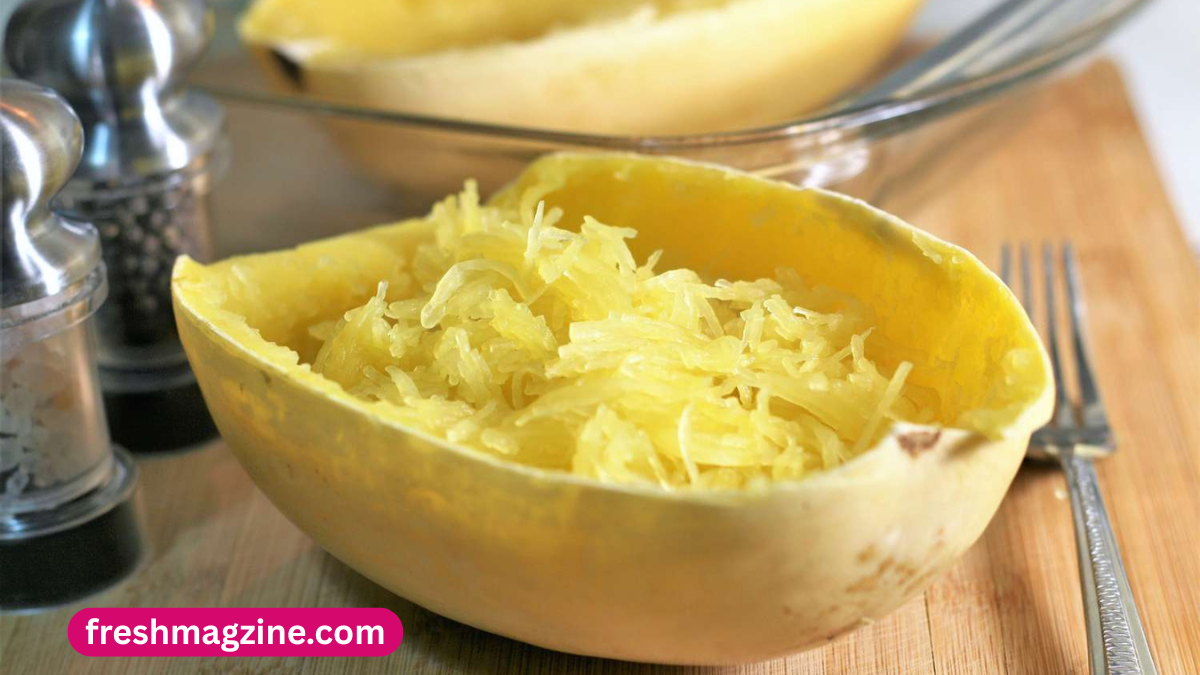
After opening the squash, scoop out the seeds using a spoon. Then, use a fork to gently scrape the flesh. The strands will separate naturally, resembling spaghetti. This step is simple and satisfying, especially compared to working with a raw squash.
Flavoring, Serving, and Storage Tips
Cooked spaghetti squash has a mild, slightly sweet flavor that pairs well with a wide range of seasonings. Simple additions like olive oil, salt, and pepper work beautifully, while sauces such as tomato, pesto, or cream-based options can transform it into a hearty meal.
For storage, cooked spaghetti squash keeps well in the refrigerator for several days. Reheat gently to maintain texture, or use it cold in salads. Freezing is also possible, though the texture may soften slightly upon thawing.
Conclusion
Cooking spaghetti squash whole is an easy, safe, and effective method that simplifies preparation without sacrificing quality. By eliminating the need to cut the squash raw, you save time, reduce risk, and enjoy consistent results. Whether you use the oven, microwave, or pressure cooker, this technique offers flexibility and convenience for any kitchen.
With proper venting, careful handling, and thoughtful seasoning, cooking spaghetti squash whole can become a staple method in your cooking routine. It is a beginner-friendly approach that delivers tender, pasta-like strands ready for endless culinary creativity.
You read: Cindy gordon