

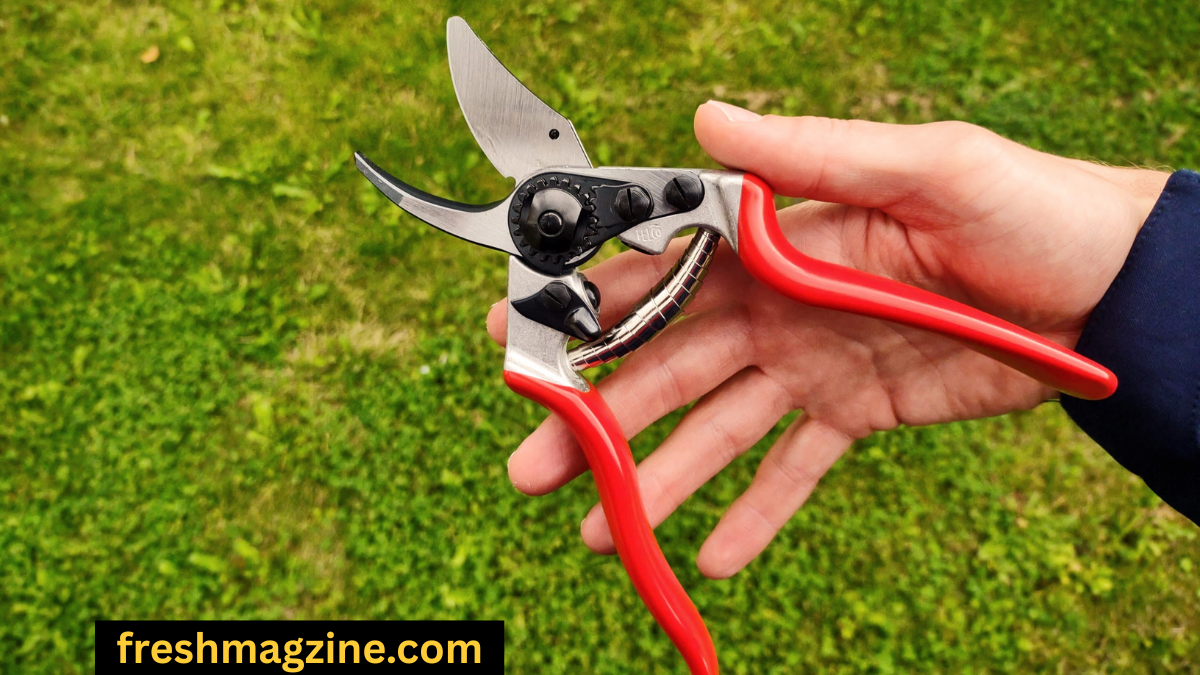
Best pruners is one of the most essential yet often overlooked aspects of gardening. Whether you are maintaining a small backyard garden, caring for ornamental plants, or managing fruit trees, pruning plays a critical role in plant health and overall garden appearance. Using the best pruners allows gardeners to remove dead or diseased branches, shape plants correctly, and encourage healthier growth. Without the right tool, pruning can become tiring, inefficient, and even harmful to plants.
High-quality pruners are designed to make clean, precise cuts that help plants heal faster and grow stronger. Dull or poorly designed pruners can crush stems instead of cutting them cleanly, leading to plant stress and increased risk of disease. This is why investing in the best pruners is not just about convenience—it is about long-term plant care and garden success.
Another important reason to choose the right pruners is personal comfort and safety. Gardening often involves repetitive hand movements, and poorly designed tools can cause hand fatigue, blisters, or strain injuries. Ergonomic pruners reduce pressure on your hands and wrists, allowing you to work longer without discomfort. This is especially important for gardeners who prune regularly or for extended periods.
In this in-depth guide, we will explore everything you need to know about the best pruners. From understanding different types and key features to selecting the right pruners for specific needs, this article will help you make an informed decision and elevate your gardening experience.
Understanding Pruners and Their Purpose
Pruners, also known as hand pruners or secateurs, are compact cutting tools specifically designed for trimming plants, shrubs, and small branches. Unlike larger tools such as loppers or saws, pruners offer precision and control, making them ideal for detailed gardening tasks. They are commonly used for shaping plants, removing damaged growth, and harvesting fruits or flowers.
The primary purpose of pruners is to make clean cuts that minimize damage to plant tissue. Clean cuts allow plants to heal quickly and reduce the likelihood of infections or pest infestations. This is particularly important when pruning flowering plants and fruit trees, where improper cuts can affect blooming and yield. The best pruners are engineered to deliver sharp, smooth cuts with minimal effort.
Pruners are also essential for maintaining the aesthetic appeal of a garden. Regular pruning keeps plants looking neat and encourages balanced growth. Overgrown or neglected plants can block sunlight, reduce airflow, and create an environment where diseases thrive. With reliable pruners, gardeners can maintain control over plant growth and structure throughout the year.
Additionally, pruners are versatile tools suitable for gardeners of all skill levels. Beginners use them for basic trimming and maintenance, while experienced gardeners rely on them for more advanced pruning techniques. Understanding the purpose of pruners helps highlight why choosing the best pruners is a foundational step in successful gardening.
Types of Pruners
There are several types of pruners available, each designed for specific gardening tasks. Bypass pruners are the most popular and widely used type. They feature two curved blades that pass by each other, similar to scissors. This design allows for clean and precise cuts, making bypass pruners ideal for live plants and delicate stems.
Anvil pruners, on the other hand, have a single sharp blade that cuts against a flat surface, or anvil. These pruners are best suited for cutting dead or dry branches. While they require less hand strength, they can crush softer stems, making them less suitable for live plants. Understanding this distinction helps gardeners avoid plant damage.
Ratchet pruners are designed to reduce hand strain by cutting in stages. Instead of cutting through a branch in one motion, ratchet pruners gradually increase cutting power with each squeeze. This makes them an excellent choice for gardeners with limited hand strength or arthritis. They are especially useful for thicker branches that standard pruners struggle to cut.
Electric and cordless pruners represent modern advancements in gardening tools. These pruners use battery-powered motors to make cutting effortless and efficient. They are ideal for professional landscapers or gardeners managing large areas. While they come at a higher cost, electric pruners offer unmatched convenience and productivity when used correctly.
Key Features to Look for in the Best Pruners
When selecting the best pruners, blade quality should be a top priority. High-quality blades are typically made from hardened steel or stainless steel, offering sharpness, durability, and resistance to rust. Sharp blades ensure clean cuts, while durable materials extend the lifespan of the tool.
Ergonomic design is another crucial feature. Comfortable handles with non-slip grips reduce hand fatigue and improve control during use. Pruners designed with ergonomics in mind are particularly beneficial for long pruning sessions. Adjustable handles and cushioned grips further enhance comfort and usability.
Cutting capacity is also an important consideration. Different pruners are designed to handle varying branch thicknesses. Choosing pruners with the appropriate cutting capacity ensures efficient performance and prevents damage to the tool. Overloading pruners with branches that are too thick can reduce their effectiveness and longevity.
Safety features such as locking mechanisms should not be overlooked. A reliable lock keeps the blades closed when not in use, preventing accidental injuries. Lightweight construction and balanced design also contribute to safer and more comfortable pruning, making these features essential when choosing the best pruners.
Best Pruners for Different Gardening Needs
Different gardening tasks require different pruning tools. For home gardeners, lightweight bypass pruners with ergonomic handles are usually sufficient. These pruners handle most trimming tasks, from flowers to small shrubs, with ease and precision.
Professional landscapers often require heavy-duty pruners capable of handling frequent use and thicker branches. Ratchet or electric pruners are popular choices in this category, as they improve efficiency and reduce physical strain during extended work periods.
Gardeners who specialize in roses or ornamental plants benefit from precision pruners designed for delicate cuts. These pruners allow for detailed shaping without damaging tender stems. Clean cuts are particularly important for flowering plants, as they directly impact bloom quality and plant health.
For thick branches and woody stems, heavy-duty pruners or ratchet pruners are the best option. These tools provide the extra power needed to cut through tougher material without excessive effort. Choosing pruners based on specific needs ensures better results and a more enjoyable gardening experience.
Conclusion
Choosing the best pruners is a vital decision for anyone serious about gardening. High-quality pruners improve plant health, enhance garden appearance, and make pruning tasks easier and more enjoyable. By understanding different types of pruners and their features, gardeners can select tools that suit their specific needs.
Investing in the right pruners also promotes long-term efficiency and safety. Ergonomic designs reduce hand strain, while sharp blades ensure clean and effective cuts. With proper care and maintenance, a good pair of pruners can last for years, making them a valuable addition to any gardening toolkit.
Ultimately, the best pruners are those that combine comfort, durability, and performance. Whether you are a beginner or a seasoned gardener, choosing the right pruners will help you maintain healthy plants and achieve better gardening results.
You read: Who has sydney sweeney dated