

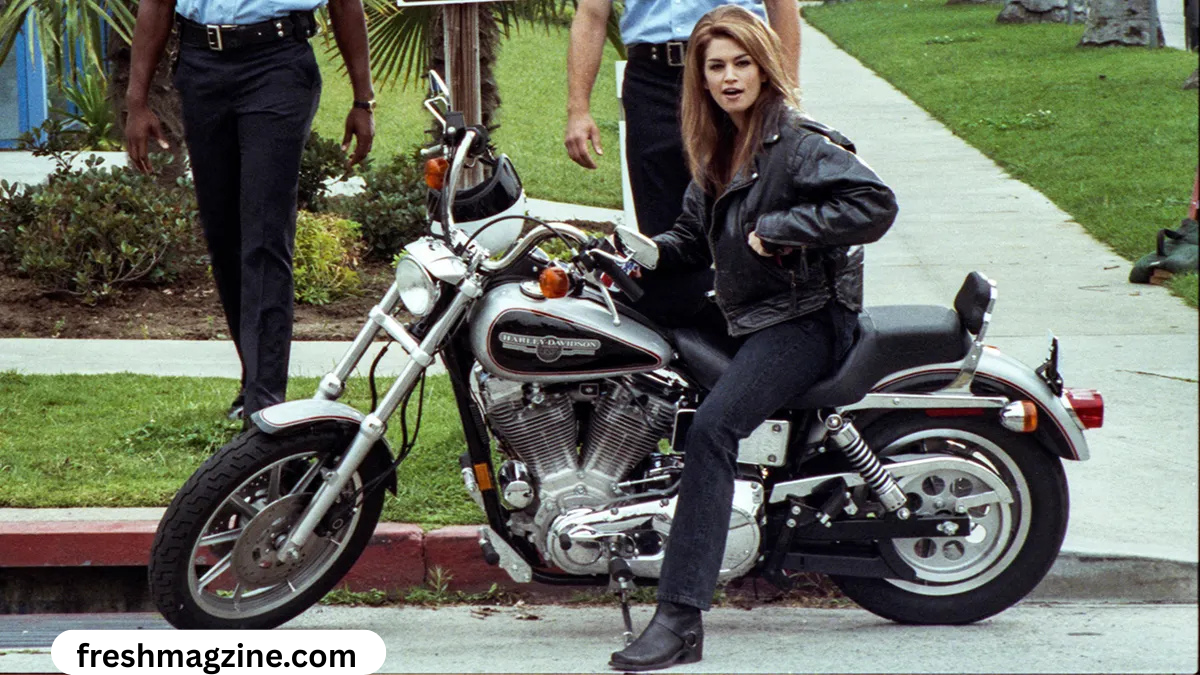
Harley davidson woke is more than just a motorcycle manufacturer—it is a cultural symbol deeply tied to ideas of freedom, rebellion, and American identity. For decades, the brand has represented open roads, rugged individualism, and a strong rider community. However, in recent years, a new label has emerged in online discussions: “harley davidson woke.” This phrase is often used in debates about whether the company has shifted its branding and values toward more modern, inclusive messaging that some traditional customers disagree with.
The term “woke” itself has become highly politicized and is often used loosely on social media to criticize brands perceived as aligning with progressive cultural trends. In Harley-Davidson’s case, the controversy is less about a single decision and more about a broader perception shift. This article explores the origins of the debate, the company’s marketing evolution, public reactions, and whether the criticism reflects reality or internet-driven narrative.
The Legacy of Harley-Davidson: From Rebel Icon to Global Brand
Harley davidson woke was founded in the early 20th century and quickly became a symbol of American motorcycling culture. Its motorcycles were not just vehicles but statements of identity. Riders associated the brand with independence, rebellion, and a lifestyle outside mainstream norms. Over time, Harley-Davidson built a loyal base of enthusiasts who viewed ownership as a lifelong commitment rather than a simple purchase.
This identity was reinforced through decades of branding that emphasized masculinity, freedom, and open-road adventure. Movies, biker clubs, and pop culture strengthened this image, turning Harley-Davidson into a global icon. However, as markets expanded and competition increased, the company faced pressure to adapt to changing demographics and consumer expectations.
In transitioning from a niche cultural symbol to a global lifestyle brand, Harley-Davidson began modernizing its image. This included expanding its audience beyond traditional riders and exploring new marketing directions. These changes laid the foundation for future debates, as long-time fans sometimes felt the brand was drifting away from its original identity.
What Does “harley davidson woke” Actually Mean?
The phrase “harley davidson woke” does not refer to an official company policy or statement. Instead, it is an internet-driven label used by critics who believe the brand has shifted toward more progressive or inclusive messaging. In modern online culture, “woke” is often used broadly—sometimes accurately, but often as a general critique of any perceived cultural or branding change.
In Harley-Davidson’s case, the label gained traction through social media discussions, opinion videos, and online forums where users debated the company’s advertising direction. Some marketing campaigns aimed at attracting younger riders and more diverse audiences were interpreted by critics as a departure from traditional branding values.
However, much of this controversy is based on perception rather than concrete policy changes. Companies frequently evolve their messaging to remain competitive in changing markets. What some view as “woke branding,” others see as standard corporate adaptation. The tension arises when long-time customers feel excluded or believe the brand is no longer aligned with its original identity.
Marketing Strategy Changes and Brand Evolution
Like many legacy companies, Harley-Davidson has adjusted its marketing strategy to stay relevant in a rapidly changing world. The motorcycle industry today is not the same as it was 30 or 40 years ago. Younger consumers, urban riders, and international markets now play a significant role in shaping business decisions.
To reach these audiences, Harley-Davidson has experimented with more modern advertising approaches. Some campaigns have emphasized inclusivity and diversity, aiming to broaden the appeal of motorcycling beyond its traditional base. This shift is often interpreted by critics as evidence of the “harley davidson woke” narrative, even though it is primarily a business strategy focused on growth and survival.
Additionally, the company has diversified its product lineup, introducing lighter bikes and electric models to attract new riders. These changes reflect industry-wide trends rather than ideological positioning. However, whenever a brand with a strong traditional identity evolves, resistance from core customers is common.
The challenge for Harley-Davidson lies in balancing innovation with heritage—maintaining its iconic identity while also appealing to future generations of riders.
Public Reaction and Cultural Backlash
The reaction to Harley-Davidson’s perceived branding shift has been mixed and often emotionally charged. Long-time enthusiasts sometimes express concern that the brand is moving away from its rugged, traditional image. Online communities, especially forums and video platforms, have amplified these debates, turning them into broader cultural discussions.
Some riders argue that the company is alienating its core customer base by focusing too heavily on modern branding themes. Others, however, see these changes as necessary for survival in a competitive and evolving market. This divide has fueled the spread of the “harley davidson woke” narrative across social media.
It is also important to recognize how internet culture intensifies such debates. Algorithms tend to promote controversial or emotionally charged content, which can make niche opinions appear more widespread than they actually are. As a result, the perception of widespread backlash may not fully reflect the reality of the broader customer base.
Business Impact: Sales, Reputation, and Market Position
From a business perspective, Harley-Davidson’s performance has been influenced by multiple factors beyond cultural debates. The motorcycle industry faces challenges such as changing consumer preferences, rising costs, and competition from international manufacturers. These factors play a significant role in sales trends and brand performance.
While some critics attribute fluctuations in sales to the “harley davidson woke” controversy, industry analysts often point to broader economic and market forces. Younger generations are less likely to purchase heavyweight motorcycles, preferring alternative transportation or different styles of riding. This shift impacts all traditional motorcycle brands, not just Harley-Davidson.
Reputation-wise, the company still maintains a strong global presence and a loyal customer base. However, like many legacy brands, it must continuously evolve to stay relevant. The real challenge is not controversy itself, but how effectively the brand adapts without losing its core identity.
Is Harley-Davidson Really “Woke” or Just Evolving?
The central question behind the debate is whether Harley-Davidson has truly adopted a “woke” ideology or is simply adapting to modern business realities. Based on observable trends, the latter appears more accurate. The company has focused on expanding its audience, modernizing its product lineup, and adjusting its marketing strategies to reflect global markets.
Labeling these changes as purely ideological oversimplifies a complex business transformation. Most large corporations undergo similar evolutions when responding to market pressures. However, because Harley-Davidson has such a strong cultural identity, even minor shifts in branding are more noticeable and more heavily debated.
Ultimately, the “harley davidson woke” narrative reflects a broader cultural tension between tradition and modernization. It is less about motorcycles themselves and more about how society interprets change in iconic brands.
Conclusion
The debate around “harley davidson woke” is a mix of perception, cultural commentary, and genuine business evolution. Harley-Davidson remains an iconic brand, but like all major companies, it must adapt to survive in a changing global market. While some view its modernization efforts as a departure from tradition, others see them as necessary growth strategies.
At its core, this controversy highlights a larger reality: when brands become cultural symbols, every change carries meaning beyond business. Whether viewed as “woke” or simply evolving, Harley-Davidson continues to navigate the delicate balance between heritage and innovation.
You read: freshmagzine